
Epoxy flooring is one of the most durable, attractive, and cost-effective floor coating systems available for homes and businesses. It bonds directly to concrete, creates a seamless surface that resists stains, chemicals, and heavy foot traffic, and looks great doing it. But it also has real limitations — moisture sensitivity, cure time, and UV yellowing among them — that can catch unprepared buyers off guard.
We've installed epoxy floors across garages, commercial spaces, basements, and residential interiors throughout the Austin metro. What we tell every client before they commit is the same thing we'll tell you here: epoxy is an outstanding product in the right conditions and a poor choice in the wrong ones. Knowing which side of that line you're on is the most important thing you can do before signing anything.
What Makes Epoxy Flooring Worth Considering
Epoxy floors have earned their reputation. When properly installed on a prepared concrete substrate, they perform at a level that most flooring options simply can't match in high-traffic or high-demand environments.
Durability That Holds Up Under Real Pressure
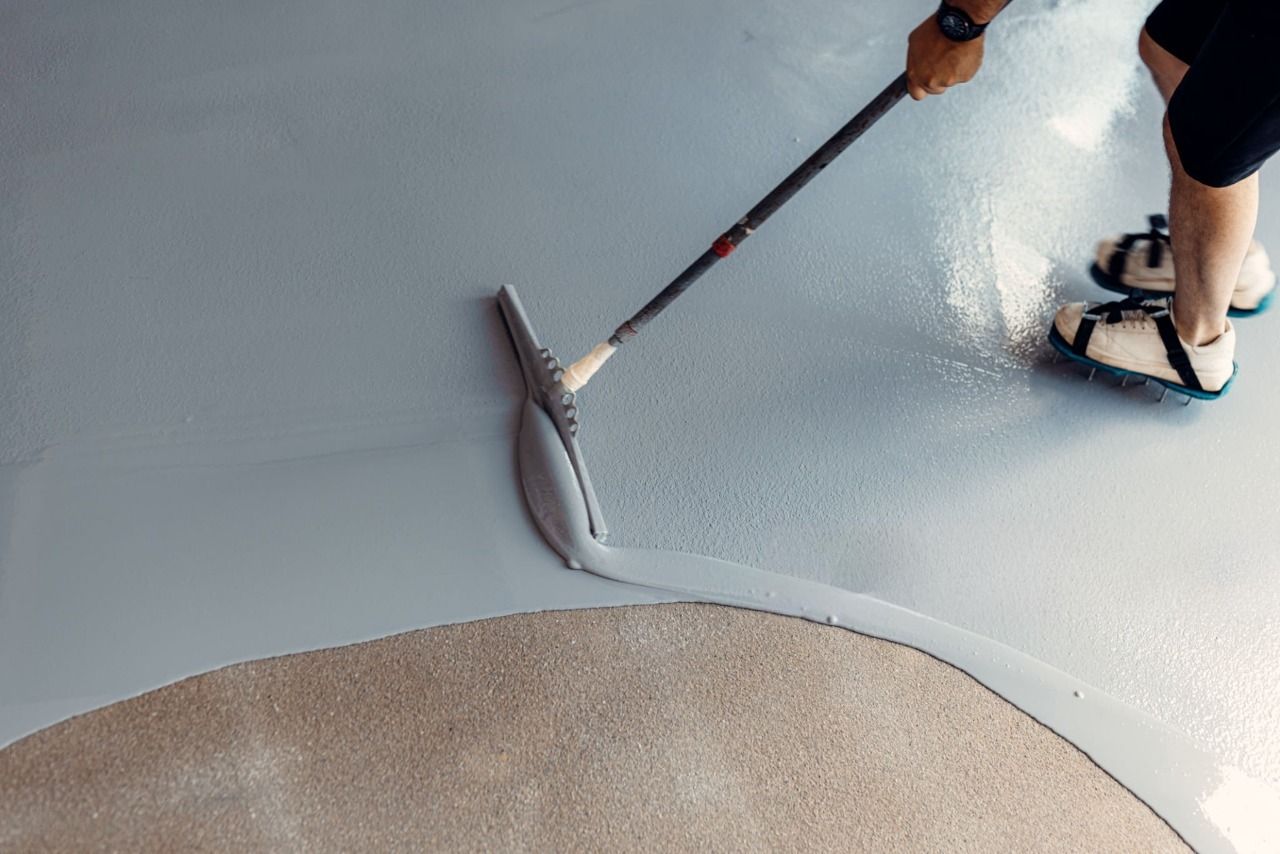
Professionally installed epoxy floors handle heavy loads, chemical exposure, and daily abuse without flinching. In our garage applications, customers regularly drive over them with full-size trucks and motorcycles for years without seeing delamination or surface breakdown. Commercial clients in manufacturing and light industrial settings run forklifts over them with the same results.
The key word is professionally installed. Big-box epoxy kits use water-based formulations with significantly lower solid content. Professional-grade 100% solids epoxy is chemically different — thicker, more durable, and bonded at a molecular level to properly prepared concrete.
Did You Know? Professional epoxy formulations contain 95–100% solid content. Many consumer kits are as low as 40–50% solids, which means a large portion evaporates during curing, leaving a thinner, weaker film.
Easy to Clean, Hard to Stain
The seamless, non-porous surface that epoxy creates means oil, chemical spills, and grime sit on top rather than soaking in. A simple mop or auto scrubber handles cleanup in minutes. For anyone who has scrubbed oil stains out of bare concrete, this alone justifies the investment.
Strong Visual Impact at a Reasonable Cost
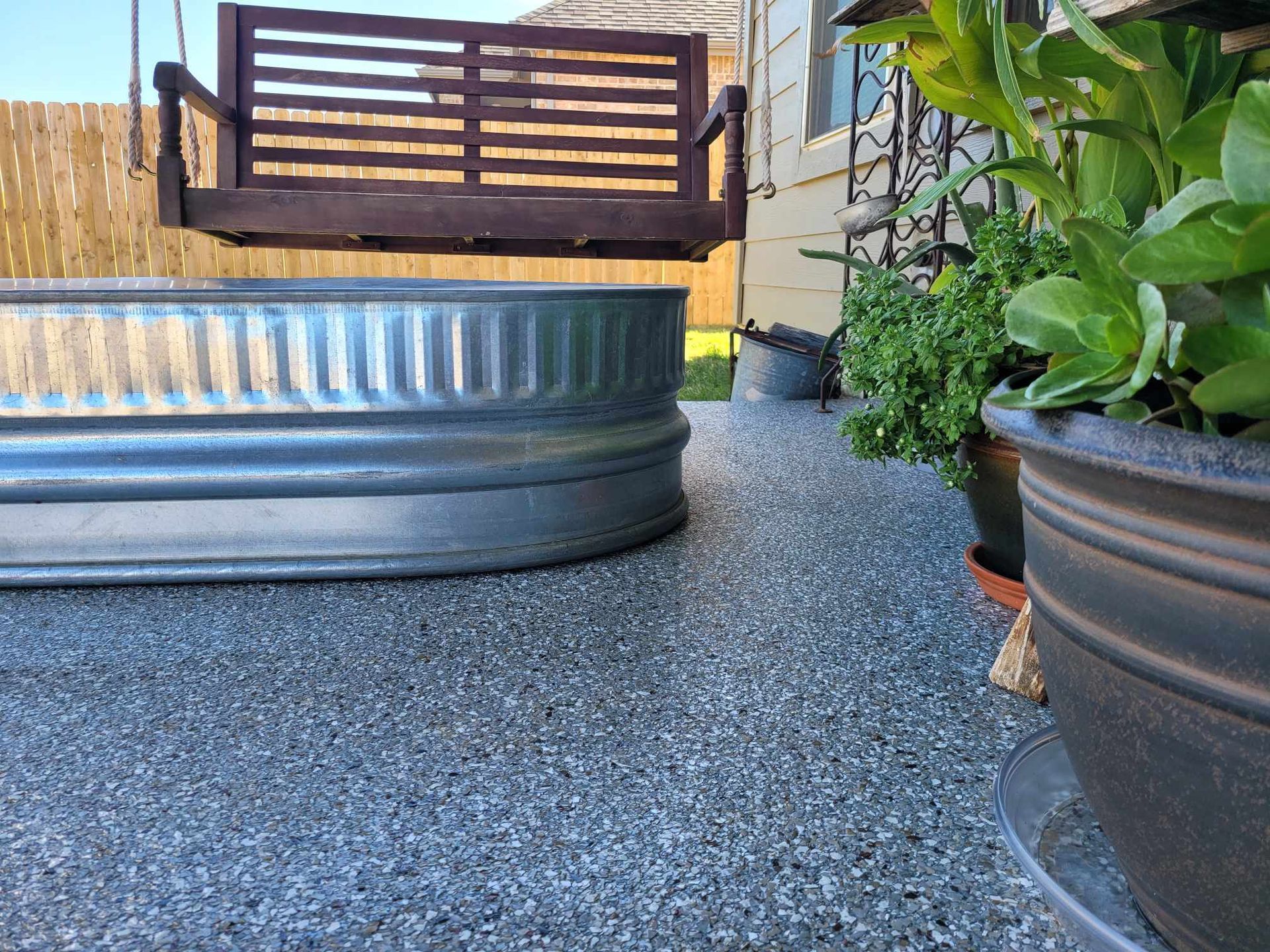
Decorative chip and metallic epoxy systems produce floors that genuinely stop people in their tracks. For homeowners converting a garage into a usable living or workspace, the visual upgrade is significant. For business owners, a clean, professional-looking floor signals credibility to clients before anyone says a word.
Compared to alternatives like polished concrete, hardwood, or tile, epoxy delivers comparable or better aesthetics at a lower installed cost — typically $3–$7 per square foot for professional application depending on the system chosen.
Pro Tip: If aesthetics matter to you, ask your contractor to show you actual project photos with the chip size and broadcast density you're considering. Color samples under store lighting look very different from a finished floor under natural light.
Functional Benefits Beyond Looks
A properly spec'd epoxy system also improves safety and function. Anti-slip aggregates can be broadcast into the topcoat to increase traction in wet areas. Reflective finishes brighten interiors without adding fixtures. Color-coded floor markings can organize warehouse and commercial spaces efficiently.
Where Epoxy Falls Short
Understanding the cons isn't about talking you out of epoxy. It's about making sure you choose the right system for your conditions — or helping you identify whether a different coating, like polyaspartic floor coating, is actually the better fit.
Moisture Is Epoxy's Biggest Enemy
Concrete breathes. If your slab has a high moisture vapor emission rate — common in basements, ground-level concrete without proper vapor barriers, or slabs in humid climates — standard epoxy will fail. The coating bubbles, delaminates, or simply refuses to bond properly.
Before any epoxy job, a credible contractor will test the concrete's moisture level using a calcium chloride test or relative humidity probe. We've turned down jobs where the moisture readings were too high for epoxy and recommended moisture-mitigating primers or alternative systems instead. A contractor who skips this step is leaving you exposed to a premature failure.
Did You Know? Concrete can continue releasing moisture for decades after it's poured. New slabs are especially prone to high moisture vapor emission, which is why age and prior sealing history matter during the pre-job assessment.
Cure Time Means Real Downtime
Standard epoxy requires 24–72 hours before light foot traffic and up to 7 days before vehicle traffic depending on the system, ambient temperature, and humidity. For businesses or homeowners with limited downtime, this is a genuine drawback.
This is one area where polyaspartic coatings have a clear advantage — they cure in as little as 24 hours to full vehicle traffic. If turnaround time is a primary concern, it's worth having that conversation before defaulting to epoxy.
UV Yellowing in Sun-Exposed Areas
Standard epoxy turns yellow when exposed to direct UV light. This isn't a product defect — it's a known chemical characteristic of epoxy resins. Indoors, away from direct sunlight, it's rarely an issue. Outdoors or in spaces with significant natural light through windows or skylights, you'll see visible color shift over time.
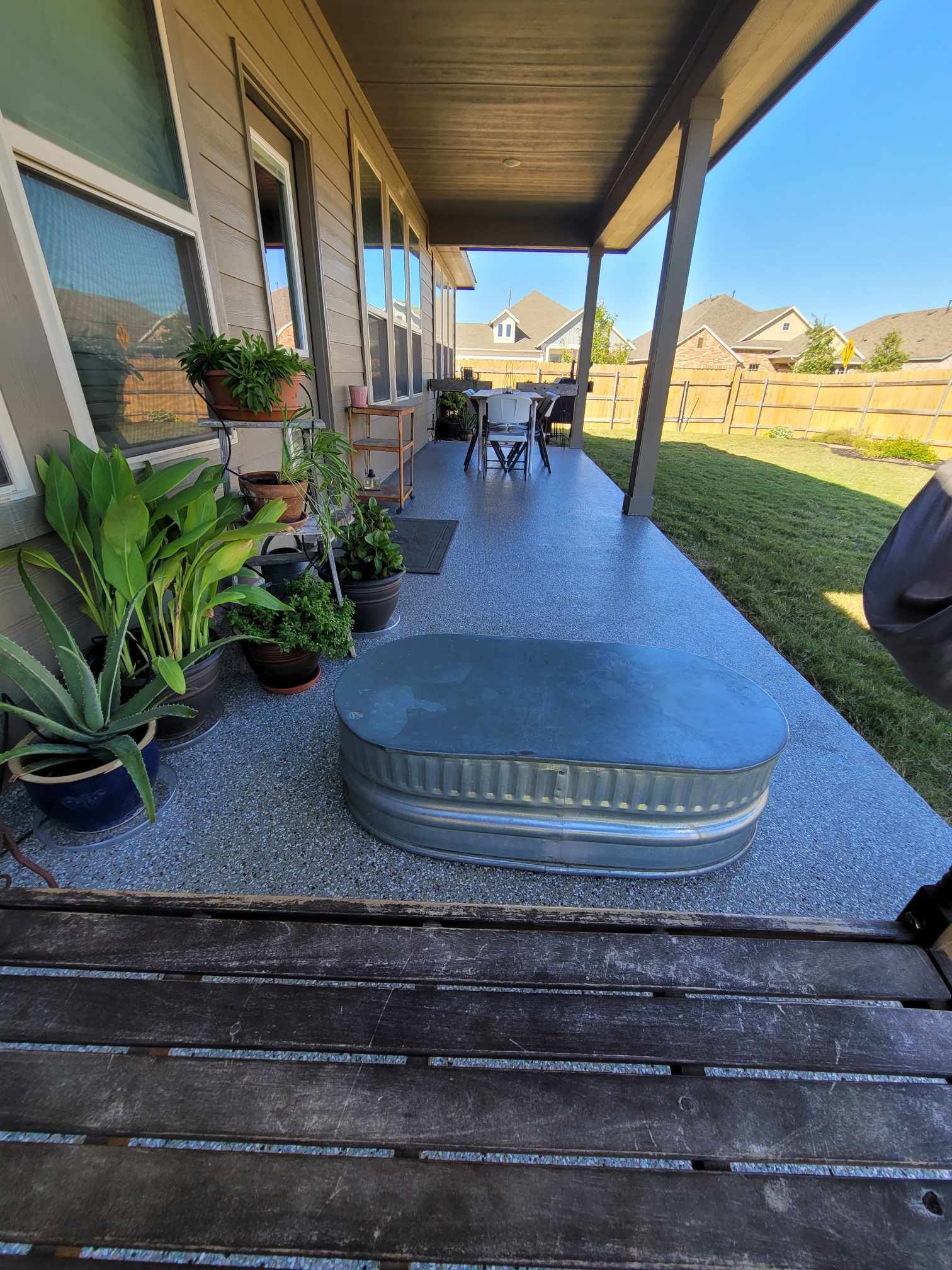
For outdoor applications — patios, pool decks, covered driveways — UV-stable topcoats or full polyaspartic systems are the right answer. Explore Heritage's porch and patio coating options if your project is outdoors.
Preparation Is Non-Negotiable
Epoxy doesn't forgive a poorly prepared surface. Concrete must be mechanically ground (not just acid-etched) to open the pores for proper adhesion. Existing sealers, paint, and contamination must be fully removed. Cracks need to be addressed before coating.
This level of prep is time-consuming and requires professional equipment. Homeowners who skip it — or hire contractors who skip it — end up with floors that peel within months.
Pro Tip: Ask any contractor you're considering whether they use diamond grinding or shot blasting for surface prep. Acid etching alone is not sufficient preparation for professional epoxy systems. The prep method tells you a lot about the quality of work you'll receive.
Epoxy vs. Other Coating Systems: A Quick Comparison
| Feature | Epoxy | Polyaspartic | Paint |
|---|---|---|---|
| Cure time | 3–7 days | 24 hours | 4–8 hours |
| Durability | High | Very High | Low |
| UV stability | Poor | Excellent | Moderate |
| Chemical resistance | High | Very High | Low |
| Cost per sq ft | $3–$7 | $5–$10 | $1–$2 |
| Lifespan (professional) | 5–10 years | 15+ years | 1–3 years |
Who Epoxy Flooring Is Best For
Epoxy is a strong choice for garages, basements, commercial interiors, warehouses, auto shops, and event spaces where the slab is dry, UV exposure is limited, and downtime for curing is manageable. It performs best in climate-controlled or enclosed environments.
It's less ideal for outdoor spaces, areas with confirmed moisture issues, or projects that need to be finished and back in service within 24 hours. If you're evaluating options for your garage, our garage floor coating covers the full range of systems we offer and what we recommend for different situations.
The decision isn't always obvious, and the honest answer is that it depends on your specific slab conditions, use case, and priorities. That's what a site assessment is for.
What to Ask Before You Choose
When evaluating whether epoxy is right for your project, work through these questions:
- Has anyone tested the concrete for moisture? If not, that needs to happen first.
- What is the surface prep process — grinding or acid etching?
- How many coats and what's the solids content of the product being used?
- What's the expected downtime before the space is back in service?
- Is the finish you're considering UV stable, or will it yellow in your environment?
A contractor who answers these questions clearly and honestly is one you can trust. One who avoids them or gives vague answers is a risk.
To Wrap Up
Epoxy flooring is a genuinely excellent product — but only when it's the right product for the job. The pros are real: durability, easy cleaning, aesthetics, and value. The cons are equally real: moisture sensitivity, cure time, and UV limitations that can cause early failure if they're not accounted for upfront.
The best investment you can make before committing to any floor coating is a conversation with someone who will give you a straight answer about what your space actually needs. Contact Heritage Floor Coatings for a free assessment and we'll tell you exactly what will perform best on your floor — even if that means recommending something other than epoxy.
Frequently Asked Questions
What are the main disadvantages of epoxy flooring?
The three most common drawbacks are moisture sensitivity, UV yellowing, and cure time. Epoxy can delaminate on slabs with high moisture vapor emission, yellows under direct sunlight, and requires 3–7 days before vehicle traffic can resume. Proper site assessment and product selection address all three of these concerns.
How long does epoxy flooring last?
Professionally installed epoxy typically lasts 5–10 years in residential and light commercial settings with basic maintenance. Lifespan depends heavily on the quality of surface preparation, the solids content of the product used, and the traffic and chemical exposure the floor receives over time.
Is epoxy flooring worth it for a garage?
For most residential and commercial garages, yes — professional epoxy delivers strong durability, easy maintenance, and an attractive finish at a reasonable cost. The key factors are concrete moisture levels, proper surface preparation, and using a 100% solids professional-grade product rather than a consumer kit.
Can epoxy flooring be applied outdoors?
Standard epoxy is not recommended for outdoor use because UV exposure causes it to yellow and degrade over time. UV-stable polyaspartic or hybrid systems are the better choice for patios, pool decks, and covered driveways where direct sunlight is a factor.
What's the difference between DIY epoxy kits and professional epoxy?
Consumer epoxy kits are typically water-based with 40–50% solid content, which means they cure thinner and bond less aggressively to concrete. Professional systems use 95–100% solid epoxy that bonds at a molecular level to mechanically prepared concrete, producing a far more durable and longer-lasting result.